Abstract
In September 2024, a mini review in Frontiers in Pharmacology brought together decades of research on marinobufagenin (MBG), Na+/K+-ATPase (NKA), vascular dysfunction and fibrosis in chronic kidney disease. For Padakonn Pharma, the publication marked a turning point: a long-running biological hypothesis had become the foundation of a therapeutic platform [1].
Since then, independent research teams in Italy and the United States have extended the MBG story into CKD progression, preeclampsia, the kidney-heart-brain axis and essential hypertension. Taken together, these studies show that MBG can act as a disease-relevant biological driver and can become a clinically meaningful biomarker and therapeutic target. Padakonn is now advancing this biology through its proprietary anti-MBG monoclonal antibodies and an extracorporeal platform designed to capture circulating MBG from blood.
1. When Quantity Becomes Quality
On 4 September 2024, Frontiers in Pharmacology published Endogenous bufadienolides, mineralocorticoid receptor antagonists and fibrosis in chronic kidney disease. The paper was co-authored by Mai Rosenberg at the University of Tartu and Alexei Y. Bagrov at Padakonn Pharma [1].
The science behind it was not new. The underlying programme had developed over decades through studies of endogenous cardiotonic steroids, MBG, NKA function and signalling, collagen production, vascular stiffness, renal failure and preeclampsia [1,2].
What changed was the synthesis. The review connected those observations into a coherent translational hypothesis: dysregulated interaction between MBG and NKA can contribute to vascular dysfunction and pathological remodelling, while selective interference with that interaction may create a route to intervention.
Sometimes quantity becomes quality. The 2024 publication was such a moment. It helped move the perception of Padakonn’s work from an interesting scientific hypothesis towards a platform with substantially broader therapeutic implications.
2. The Biology Behind the Platform
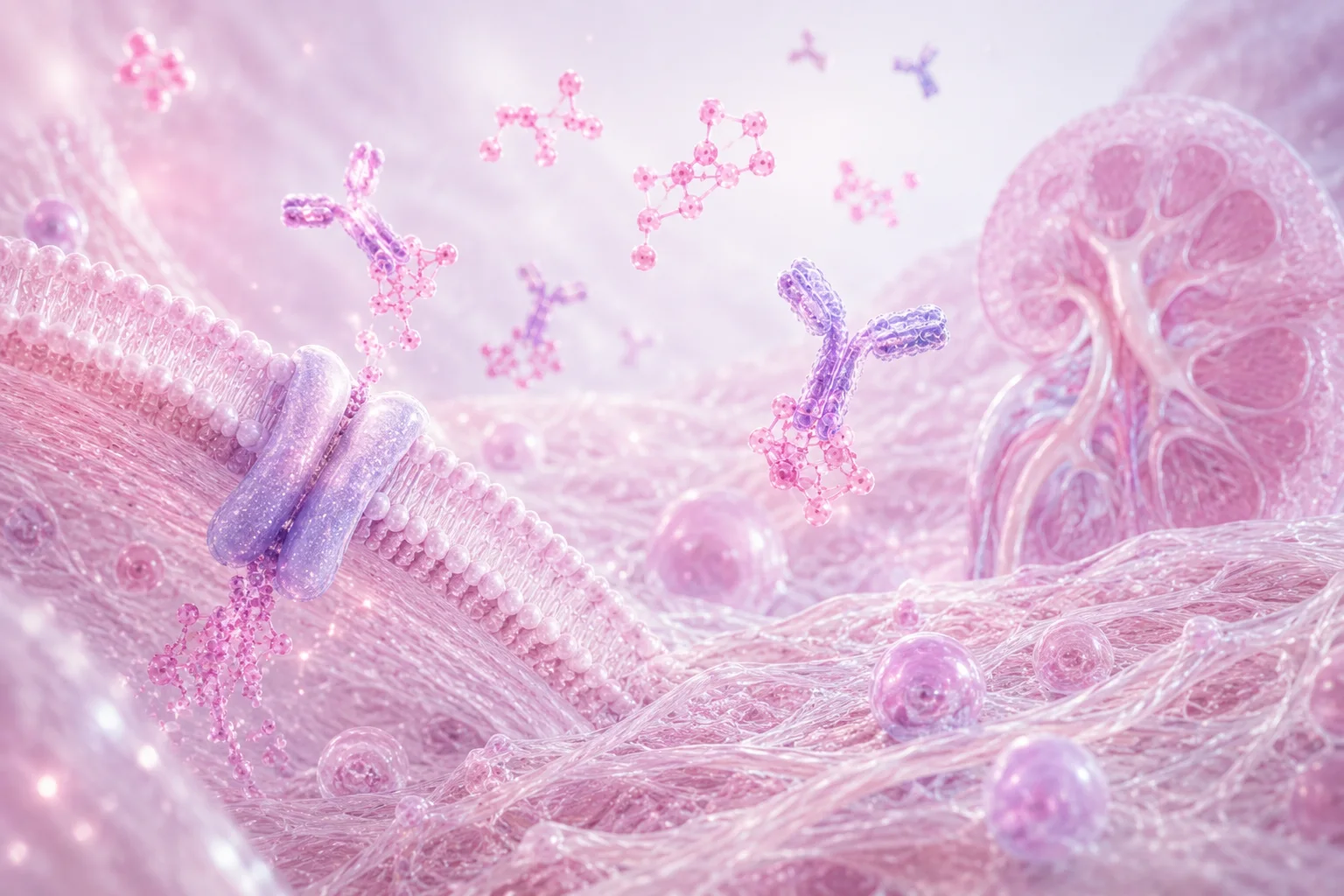
MBG is an endogenous cardiotonic steroid that interacts with Na+/K+-ATPase, the membrane protein responsible for maintaining sodium and potassium gradients across the cell membrane. NKA also participates in intracellular signalling.
In experimental systems, sustained or dysregulated MBG-NKA interaction has been linked to Src and EGFR signalling, activation of protein kinase C delta, reduced activity of the transcription factor Fli1 and increased collagen-1 production. This sequence provides a mechanistic link between altered sodium and volume regulation, vascular dysfunction and tissue fibrosis [1-3].
Functional experiments support that mechanism. In a 2024 rat model of chronic renal failure, an anti-MBG monoclonal antibody counteracted changes in the Fli1-collagen-1 system, reduced aortic fibrosis and restored vasorelaxation [3]. The intervention remained preclinical, but it demonstrated that neutralising MBG can change the downstream biology rather than merely track it.
3. Independent Teams Are Converging on MBG
And we are not the only ones seeing it. Independent teams are approaching the same biology from different diseases, sample types and experimental models.
Italy and CKD Progression
A prospective Italian study followed 108 adults with non-advanced CKD for up to 24 months. Thirty-five participants reached a composite renal endpoint. Very low urinary MBG excretion was associated with faster progression, with the highest risk observed at the lowest urinary levels. The authors concluded that urinary MBG may provide prognostic information beyond traditional risk markers, while noting that the result requires validation in larger and more heterogeneous cohorts [4].
The direction of the association is important. Urinary excretion and circulating concentration describe different biological compartments. Renal handling, clearance and disease stage affect what an MBG measurement means. This does not weaken MBG as a target; it shows why therapeutic development must distinguish the circulating molecule from its urinary excretion.
United States and Preeclampsia
Researchers affiliated with Artemis Biotechnologies, Panorama Research and CTS Biopharma evaluated a human monoclonal anti-MBG antibody in cultured placental cytotrophoblasts and in a rat model of preeclampsia. Neutralisation of MBG attenuated cellular dysfunction in vitro. In the animal model, treatment normalised blood pressure, reduced proteinuria and improved fetal outcomes [5].
No pregnant patients received the antibody; these were cellular and animal experiments. Even so, the work supplies an independent functional test of selective MBG neutralisation and shows that therapeutic development around this target is being pursued beyond Padakonn.
The Kidney Heart Brain Axis
A United States study involving researchers at Marshall University, the National Institutes of Health and the University of Toledo examined people with stage 4 or 5 CKD and healthy controls. Plasma MBG was included in a biomarker panel covering fibrosis, cardiovascular dysfunction, oxidative stress and neurodegeneration. Higher plasma MBG in CKD was associated with lower cognitive performance, while the broader analysis identified relationships between cardiac remodelling and neurological measures [6].
The cross-sectional study did not test an MBG-directed therapy and cannot establish causality. It does, however, extend the biological setting in which MBG is being investigated and places the molecule within connected kidney, cardiovascular and neurological processes.
Italy and Essential Hypertension
In August 2026, another Italian study extended the MBG story into essential hypertension. In a cohort of 180 patients, lower serum MBG was associated with greater left ventricular mass and adverse cardiac geometry, and diuretic treatment modified the relationship [7].
This result does not support a simple model in which one circulating concentration always tracks disease in the same direction. It supports a more precise conclusion: MBG biology is linked to cardiovascular remodelling, and its interpretation depends on disease context, biological compartment and treatment status.
4. What the Convergence Means
Different teams in different countries are getting to the same result: MBG can become a clinically meaningful therapeutic target.
The evidence converges at three levels. Human observational studies position MBG as a biomarker connected with CKD progression, cardiac remodelling and cognitive performance. Mechanistic studies link MBG-NKA signalling with collagen production, fibrosis and vascular dysfunction. Antibody experiments show that selective MBG neutralisation can produce functional effects in cells and animal models [3-7].
These findings also support a stronger biological conclusion. MBG is not only a passive measurement accompanying disease. Experimental evidence shows that it can act as a driver of pathological signalling and remodelling. That combination of measurable clinical association and functional intervention makes MBG relevant both as a biomarker and as a therapeutic target.
The studies do not establish clinical efficacy in patients, and they do not make every MBG measurement interchangeable. They define the target and strengthen the rationale for testing a selective intervention in clinically relevant human material and, ultimately, in patients.
5. The Padakonn Therapeutic Platform
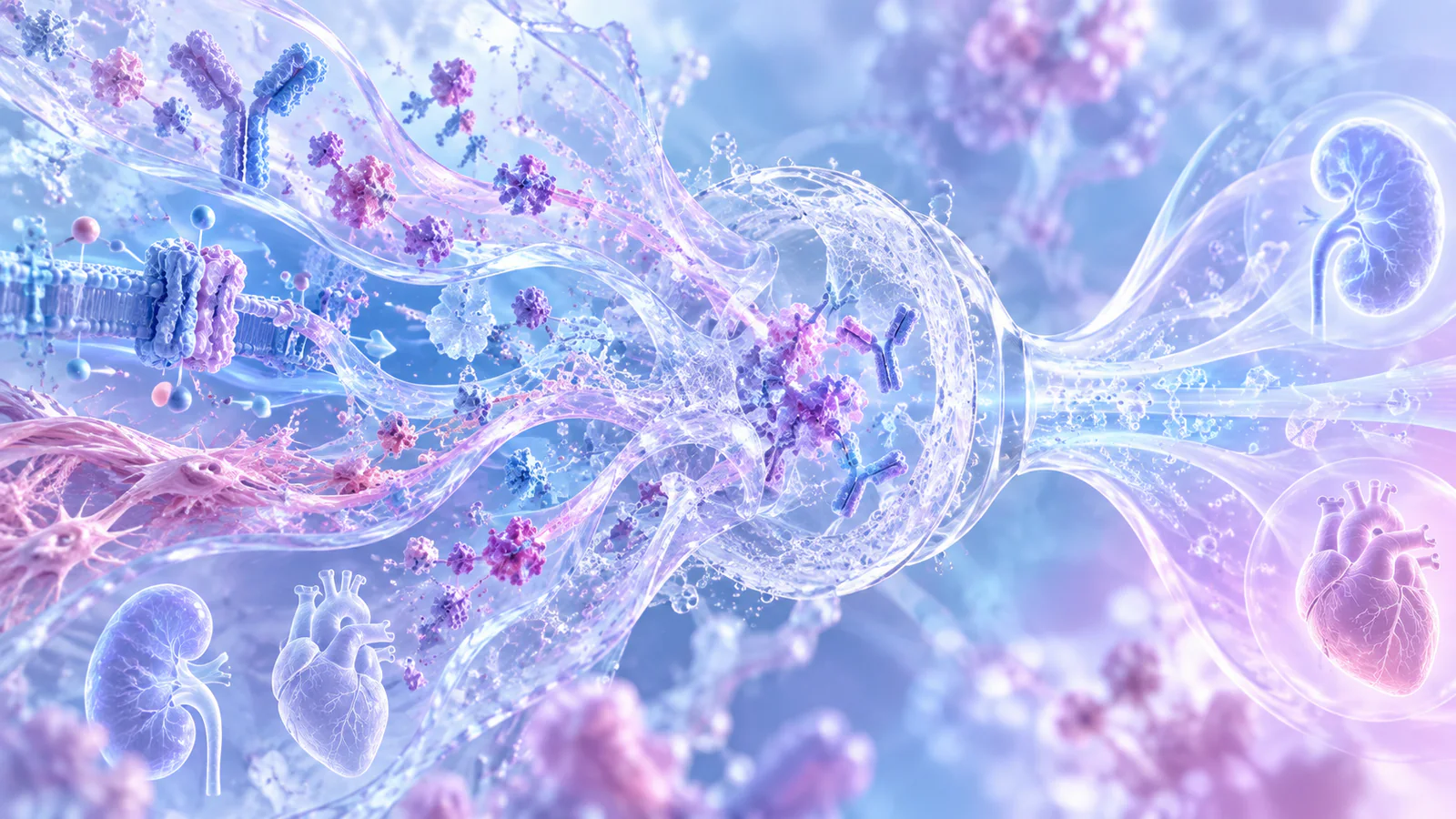
Padakonn has developed proprietary monoclonal antibodies targeting MBG and is advancing an extracorporeal platform designed to capture circulating MBG from blood. In the current product concept, the antibodies are immobilised on filtration material outside the body rather than administered systemically.
This design is intended to combine molecular selectivity with established extracorporeal treatment workflows. By removing circulating MBG, the platform is designed to restore NKA function and interrupt MBG-driven pathological signalling associated with vascular dysfunction, collagen production and fibrosis.
The current TRL5 study with the University of Tartu and Tartu University Hospital uses blood samples from patients with chronic kidney disease. It is testing whether Padakonn’s antibodies produce the intended functional effect in a clinically relevant human-sample setting. The antibodies are not being administered to patients in this study. See the Padakonn TRL5 validation update for the current programme context [8].
6. From Accumulated Biology to Intervention
There is still much to prove. Padakonn’s immediate objective is to complete human-sample validation and establish a selective, reproducible functional effect. The longer-term objective is to move from mechanism and platform validation towards therapeutic testing in humans.
Two years after the Frontiers review, the MBG field is broader, more visible and supported by several independent lines of research. The target is defined. The platform is being tested. The next phase will determine how far this strategy can go.
Padakonn welcomes dialogue with clinical researchers, development partners and investors interested in advancing the MBG-NKA axis towards a new therapeutic approach.
References
| # | Year | Authors | Title | Journal | Volume / article | DOI / source |
|---|---|---|---|---|---|---|
| 1 | 2024 | Rosenberg M, Bagrov AY | Endogenous bufadienolides, mineralocorticoid receptor antagonists and fibrosis in chronic kidney disease | Frontiers in Pharmacology | 15, 1431216 | 10.3389/fphar.2024.1431216 |
| 2 | 2009 | Bagrov AY, Shapiro JI, Fedorova OV | Endogenous cardiotonic steroids: physiology, pharmacology, and novel therapeutic targets | Pharmacological Reviews | 61(1), 9-38 | 10.1124/pr.108.000711 |
| 3 | 2024 | Agalakova NI, Mikhailova EV, Ershov IA, et al | Antibody to endogenous cardiotonic steroid reverses vascular fibrosis and restores vasorelaxation in chronic kidney disease | International Journal of Molecular Sciences | 25(16), 8896 | 10.3390/ijms25168896 |
| 4 | 2025 | Bolignano D, Greco M, Tripodi L, et al | Very low urinary marinobufagenin excretion reflects a high risk of disease progression in non-advanced CKD | Frontiers in Physiology | 16, 1527805 | 10.3389/fphys.2025.1527805 |
| 5 | 2025 | Pantho AF, Zaman M, Afroze SH, et al | Neutralization of Marinobufagenin Demonstrates Efficacy In Vitro and In Vivo in Models of Pre-Eclampsia | Biomedicines | 13(4), 782 | 10.3390/biomedicines13040782 |
| 6 | 2026 | Pillai SS, Morrell CH, Rocha Dos Santos C, et al | Chronic kidney disease and cardiac remodeling potentiate cognitive impairment progression: disentangling the sex-specific cross talk of kidney-heart-brain axis | American Journal of Physiology Heart and Circulatory Physiology | 330, H137-H156 | 10.1152/ajpheart.00617.2025 |
| 7 | 2026 | Politi C, Mobrici M, Testa A, et al | Marinobufagenin and left ventricular mass and geometry in patients with essential hypertension | Journal of Hypertension | Online ahead of print | PMID 42695472 |
| 8 | 2026 | Padakonn Pharma | Anti-MBG antibodies enter TRL5 validation in human CKD samples | Company update | 2 September 2026 | Read update |